Exploring the World of Metal Siding
Metal siding, a versatile construction material, offers a modern touch to buildings with its durability and aesthetic appeal. Let's delve into the intricacies of metal siding and uncover its numerous advantages and design options.
Introduction to Metal Siding

Metal siding is a type of exterior cladding made from metal materials such as aluminum, steel, or zinc. It is commonly used in construction to provide protection and aesthetic appeal to buildings.Metal siding offers several benefits compared to other materials.
It is durable, weather-resistant, and requires minimal maintenance. Metal siding is also fire-resistant and can withstand harsh environmental conditions, making it a popular choice for both residential and commercial buildings.There are different types of metal siding available in the market, including corrugated metal panels, metal shingles, and metal cladding systems.
Each type has its own unique characteristics and design options to suit various architectural styles and preferences.
Types of Metal Siding
- Corrugated Metal Panels: These are large sheets of metal with ridges and grooves for added strength and visual appeal. They are commonly used in industrial and agricultural buildings.
- Metal Shingles: Resembling traditional roofing shingles, metal shingles offer a more decorative look while providing the durability and longevity of metal materials.
- Metal Cladding Systems: These systems consist of metal panels that can be installed vertically or horizontally, offering versatility in design and customization.
Installation of Metal Siding

Metal siding installation involves several key steps to ensure a proper and durable finish on a building. Let's explore the general process, tools required, and tips for a successful installation.
General Steps for Installing Metal Siding
- Prepare the surface: Ensure that the building's exterior is clean, smooth, and free of any debris or obstacles that could affect the siding installation.
- Measure and cut the panels: Accurately measure the dimensions of the walls to cut the metal siding panels to the right size using tin snips or a metal cutting saw.
- Install the starter strip: Begin by installing a starter strip at the bottom of the wall to provide a secure base for the siding panels.
- Attach the panels: Secure the metal siding panels to the wall using nails, screws, or a pneumatic nail gun, making sure to leave room for expansion and contraction.
- Overlap and seal: Ensure that each panel overlaps the adjacent one correctly and use sealant to prevent water infiltration and increase weather resistance.
- Finish with trim: Complete the installation by adding trim pieces around windows, doors, and corners for a polished look.
Special Tools and Equipment
- Tin snips or metal cutting saw: Essential for cutting metal siding panels to the required dimensions.
- Nails, screws, or pneumatic nail gun: Used to secure the panels to the wall securely.
- Sealant: Helps to prevent water infiltration and increase the longevity of the metal siding.
- Level and measuring tape: Ensure precise measurements and alignment during the installation process.
Tips for a Proper Installation
- Follow manufacturer instructions: Always refer to the manufacturer's guidelines for the specific type of metal siding being installed.
- Allow for expansion and contraction: Metal siding expands and contracts with temperature changes, so leave space for movement to prevent buckling or warping.
- Properly secure panels: Ensure that each panel is securely fastened to the wall to prevent wind damage or shifting over time.
- Maintain proper ventilation: Adequate ventilation behind the metal siding can prevent moisture buildup and extend the lifespan of the siding.
- Regular maintenance: Keep an eye on the condition of the metal siding and address any issues promptly to prevent more extensive damage.
Maintenance and Care of Metal Siding

Metal siding is a durable and low-maintenance option for homes, but it still requires some care to ensure it stays in good condition. By following recommended maintenance practices, addressing common issues promptly, and cleaning the siding regularly, you can preserve its appearance and extend its lifespan.
Recommended Maintenance Practices
- Inspect the metal siding regularly for any signs of damage, such as dents, scratches, or rust.
- Address any small dents or scratches immediately to prevent them from becoming larger issues.
- Keep the siding clean by washing it with a mild detergent and water at least once a year.
- Trim any overhanging branches or foliage near the siding to prevent damage from falling debris or rubbing against the metal.
- Check the caulking and seals around windows, doors, and other openings to ensure they are intact and provide a watertight seal.
Common Issues and Solutions
- Rust: If you notice any signs of rust on your metal siding, remove it promptly with a wire brush and apply a rust-inhibiting primer and paint to prevent further corrosion.
- Dents and Scratches: Small dents and scratches can be repaired using a metal repair kit or by replacing the affected panels if necessary.
- Fading: To prevent fading of the metal siding's color, avoid using harsh chemicals or abrasive cleaners when cleaning the siding.
Tips for Cleaning and Preserving Metal Siding
- Use a soft-bristled brush or a cloth to clean the siding, avoiding abrasive materials that could scratch the surface.
- Rinse the siding thoroughly after washing to remove any soap residue that could cause discoloration over time.
- Avoid using high-pressure washers on metal siding, as they can cause damage to the finish and create dents or dings.
- Consider applying a protective coating or wax to the metal siding after cleaning to help maintain its appearance and protect it from the elements.
Design and Customization Options for Metal Siding
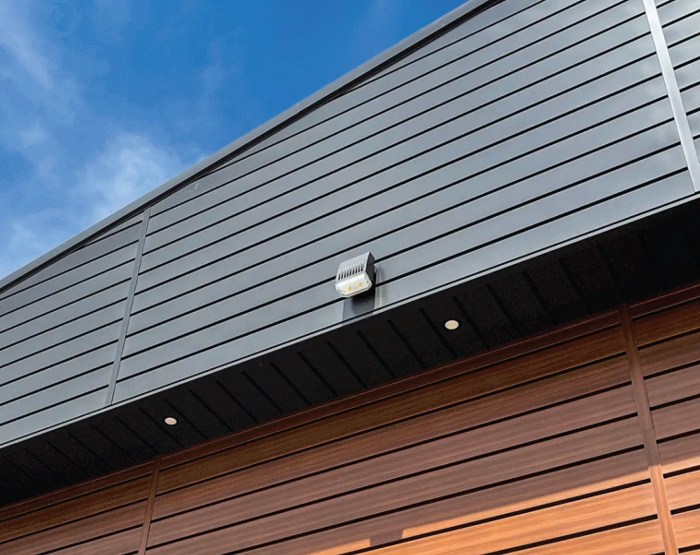
Metal siding offers a wide range of design and customization options to enhance the aesthetic appeal of buildings. From colors to textures to finishes, there are numerous ways to personalize metal siding to suit different architectural styles and preferences.
Color Options
Metal siding comes in a variety of colors, ranging from traditional neutrals like white, gray, and black to bold and vibrant hues like red, blue, and green. Homeowners can choose a color that complements their existing exterior palette or makes a statement with a contrasting shade.
Texture and Finish Varieties
In addition to colors, metal siding is available in different textures and finishes. Options include smooth, matte, brushed, or embossed textures, as well as finishes like glossy, metallic, or weathered. These variations allow for customization based on the desired look and feel of the building.
Architectural Styles Incorporation
Metal siding can be creatively incorporated into various architectural styles to add a modern or industrial touch. For contemporary designs, sleek and seamless metal panels can create a minimalist look, while corrugated metal siding can bring a rustic or industrial vibe to traditional or farmhouse-style homes.
Mixing metal siding with other materials like wood or stone can also result in a unique and visually appealing facade.
Final Review

In conclusion, metal siding emerges as a top choice for both residential and commercial projects, providing a perfect blend of style and functionality. Whether it's maintenance tips or creative design ideas, metal siding continues to shine bright in the world of construction.
FAQ Guide
What are the benefits of using metal siding?
Metal siding offers durability, low maintenance, energy efficiency, and a wide range of design options.
How do I maintain metal siding?
Regular cleaning, inspection for damage, and repainting when necessary are key for maintaining metal siding.
Can metal siding be customized?
Yes, metal siding comes in various colors, textures, and finishes, allowing for customization to suit different architectural styles.